Header Logo

Caring for Your Syrian Hamster: Tips for a Happy Pet

Bringing a Syrian hamster into your home can be a rewarding experience, but it also comes with responsibilities. At Marriottsville Animal Hospital, your trusted Marriottsville veterinary clinic, we see pets of all shapes and sizes, and think even the tiniest animals should be treated with care and compassion. We understand the importance of proper Syrian hamster care to ensure your furry pal stays healthy and happy. These small, nocturnal companions require thoughtful attention to their environment, diet, and enrichment.
Understanding how to care for a hamster is key. You’ll need to learn about your little buddy’s care needs, including cage setup, nutrition, and monitoring for health issues, is key to providing a fulfilling life. Our Marriottsville veterinarians provide guidance on hamster wellness, behavior, and hamster health tips to help you give your pet the best care possible.
Setting Up a Safe and Comfortable Cage
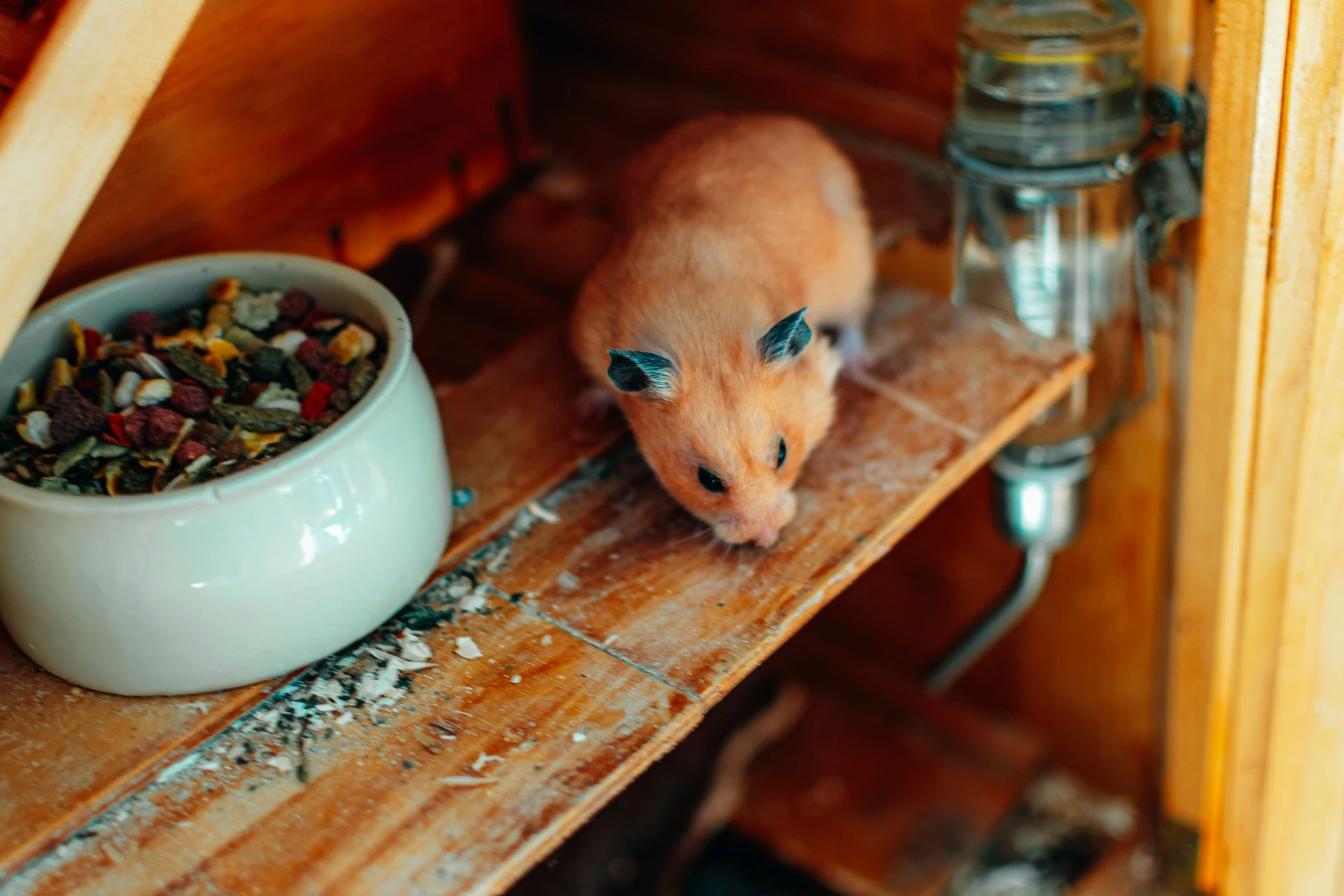
A well-designed cage is the foundation of Syrian hamster care. Choose a spacious habitat with proper ventilation and secure bars or lids. Hamsters need room to explore, exercise, and retreat to a cozy nesting area. Include:
- Bedding that is soft, absorbent, and safe for chewing
- A nesting area or hideaway for privacy
- An exercise wheel with a solid surface to prevent injury
- Tunnels, tubes, and climbing structures for enrichment
Regular cleaning is essential to maintain a hygienic environment. Remove soiled bedding and uneaten food daily, and wash food dishes. Sanitize toys weekly.
Nutrition for Syrian Hamsters
A balanced diet supports your hamster’s health and longevity. Provide a mix of high-quality hamster pellets, fresh vegetables, and occasional fruits. Safe options include:
- Carrots, broccoli, and cucumbers
- Apples or berries in small amounts
- Fresh water available at all times
Avoid sugary or sticky treats, as these can cause dental or digestive problems. Monitor your hamster’s eating habits and weight, and adjust portions as needed to prevent obesity.
Enrichment and Mental Stimulation
Syrian hamsters are active and curious. Enrichment keeps them mentally and physically stimulated, which is vital for overall health. Consider:
- Chew toys to maintain dental health
- Exercise wheels and climbing toys
- Rotating tunnels and toys to prevent boredom
- Gentle interaction and supervised handling to build trust
Enrichment also reduces stress-related behaviors, such as excessive chewing of cage bars or over-grooming.
Health Monitoring for Your Hamster
Even small pets can develop health issues that require attention. Regularly observe your hamster for:
- Changes in appetite or water intake
- Lethargy or abnormal activity patterns
- Weight loss or gain
- Hair loss or skin irritation
- Respiratory issues such as sneezing or labored breathing
Early detection of problems allows timely veterinary care and can prevent more serious conditions.
Handling and Socialization
Syrian hamsters are typically solitary, so it’s important to respect their need for personal space. When handling:
- Approach slowly and speak softly to prevent startling your hamster
- Scoop from underneath rather than grabbing from above
- Limit handling sessions to 10–15 minutes at a time, especially during the first week of adjustment
- Wash hands before and after interaction to prevent disease transmission
Building trust takes time, and consistent, gentle interaction helps your hamster become comfortable with human contact.
Common Health Concerns
Some health issues are more common in Syrian hamsters, including:
- Wet tail (diarrhea, often caused by stress or infection)
- Dental problems from overgrown teeth
- Respiratory infections
- Skin conditions, mites, or fungal infections
Prompt evaluation by a veterinarian is important if you notice any unusual symptoms. Regular wellness checks support hamster health tips and early intervention.
Tips for Long-Term Care
- Maintain a clean, enriched environment
- Feed a balanced diet and monitor intake
- Observe for early signs of illness
- Provide regular exercise and mental stimulation
- Ensure the cage is safe from drafts and extreme temperatures
Consistency in care ensures your Syrian hamster lives a happy, active life.
PetMD has a helpful article on hamster cages here. Learn more about hamster care at the Animal Humane Society website here.
FAQ About Syrian Hamster Care
How often should I clean my hamster’s cage?
Spot clean daily and perform a full clean at least once a week, replacing bedding and sanitizing surfaces.
Can Syrian hamsters live together?
No. Syrian hamsters are solitary and may fight if housed together. Provide individual cages for each hamster.
What are signs of illness in a hamster?
Signs include lethargy, loss of appetite, changes in fur or skin, respiratory distress, and abnormal droppings.
How long do Syrian hamsters live?
With proper care, Syrian hamsters typically live 2–3 years. Diet, environment, and veterinary care all affect lifespan.
How often should I take my hamster to the vet?
Schedule a wellness check at least once a year, and consult a veterinarian promptly if you notice any concerning symptoms.
Visit Our Marriottsville Veterinary Clinic for Syrian Hamsters
Caring for a Syrian hamster requires attention, consistency, and guidance. At Marriottsville Animal Hospital, our Marriottsville veterinarians provide comprehensive advice on Syrian hamster care, enrichment, diet, and overall wellness. Are you searching for a “vet near me” in Marriottsville, MD? Schedule a consultation today and give your furry pal the healthy, happy life they deserve.
This blog is meant to be informational only. Always consult with your veterinarian for the right medical advice, diagnosis, or treatment plan for your pet and follow their guidance.
To find out more about our animal hospital and the services we offer, drop by our main Services page here. You may also want to find out about our Critical Care options here, or our Exotic pet care here.

Shedding Season: Grooming Tips And Cleaning Hacks

Mental Stimulation For Pets: Keeping Your Furry Pal Entertained

Your First Vet Visit After Adoption: What to Expect

Ferret Care 101: Health, Diet, and Daily Needs

When Cats Avoid the Litter Box: Medical vs Behavioral Causes

When to Consider Laser Therapy for Arthritic Dogs

Rabbit Care Tips: Health, Housing, and Daily Needs
Understanding Aggression in Birds and How Vets Can Help

Seasonal Weather Risks That Can Affect Your Pet’s Health