Header Logo

Seasonal Weather Risks That Can Affect Your Pet’s Health

Have you noticed your furry friend acting differently when the seasons change? seasonal weather can impact your pet’s health and behavior. Hot summers, cold winters, and seasonal allergens all affect dogs, cats, birds, and pocket pets differently. Understanding the risks and adjusting care routines is key to keeping your pets healthy year-round.
Seasonal changes influence everything from hydration and temperature regulation to mobility and behavior. Following our pet care by season guidelines and monitoring your companion for signs of stress or illness ensures your pet remains comfortable and safe throughout the year. In this blog from Marriottsville Animal Hospital, your trusted Marriottsville, MD veterinary clinic, we go over some seasonal pet care tips.
Summer Hazards for Pets
Summer brings warmth and outdoor fun, but also several risks:
- Heatstroke: Dogs, especially brachycephalic breeds (like Bulldogs), are prone to overheating when temperatures rise. Symptoms include excessive panting, drooling, lethargy, and collapse. Provide unlimited fresh water, and make sure your pet always has access to shade and/or rooms cooled by climate control. Avoid encouraging strenuous outdoor activity during peak heat.
- Paw pad burns: Hot pavement can burn sensitive paw pads. Walk pets early morning or late evening and use paw balm to protect those toe beans.
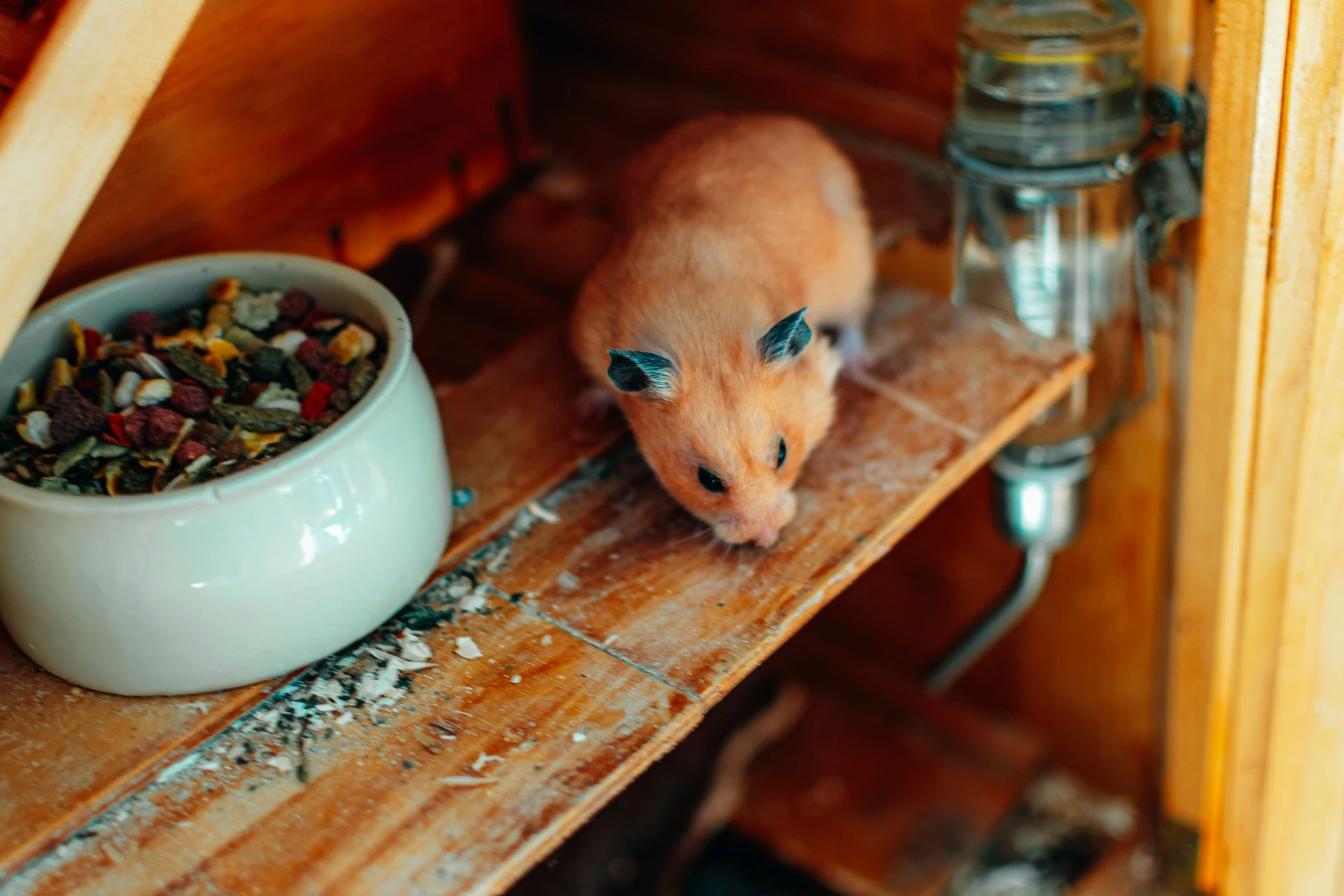
- Dehydration: Ensure constant access to fresh water. Cats and small pets like rabbits may be especially sensitive to heat. If you have a pocket pet, get a few extra water bottles, and keep one or two in the freezer. Swap them out regularly. Your pet should always have liquid water, but this way they’ll also have cold water as the frozen one melts.
- Parasites: Fleas, ticks, and mosquitoes thrive in warm months. Regular preventive care is crucial.
Observing your pet closely and following seasonal pet wellness tips can prevent serious complications during hot weather.
Winter Weather Considerations
Cold temperatures pose unique challenges for pets:
- Hypothermia and frostbite: Short-haired dogs, puppies, elderly cats, and pocket pets are at high risk. Limit exposure, provide insulated bedding, and use pet-safe heating sources indoors.
- Salt and chemical exposure: Ice melt and road salt can irritate paws and be toxic if ingested. Wipe paws after walks and consider protective booties.
- Arthritis flare-ups: Cold weather may worsen joint stiffness in older pets. Gentle exercise and joint supplements can help maintain mobility.
Adapting your weather risks for pets routine ensures safety and comfort for all pets during cold months.
Seasonal Allergies in Pets
Spring and fall bring pollen, mold spores, and other allergens:
- Dogs and cats may scratch, sneeze, or develop itchy skin.
- Birds may exhibit respiratory irritation, including sneezing or labored breathing.
- Pocket pets, like guinea pigs or rabbits, can experience irritation from dusty bedding.
Regular grooming, bathing, and environmental cleaning reduce allergen exposure. Your veterinarian can recommend additional interventions for pets with severe seasonal allergies.
Managing Seasonal Diet and Hydration
Seasonal changes may alter appetite, metabolism, and hydration needs:
- Summer: Increase water availability and offer lighter, wet food for hydration.
- Winter: Encourage caloric intake for energy, but avoid overfeeding. Warm water or slightly warmed food may encourage drinking.
- Senior pets: Adjust diets for mobility, arthritis, or kidney function, particularly during extreme weather.
Monitoring food and water intake supports overall seasonal pet wellness tips.
Seasonal Exercise Adjustments
Maintaining activity levels is essential, but safety is paramount:
- Hot weather: Schedule early morning or evening walks, use shaded play areas, and limit strenuous activity.
- Cold weather: Short, frequent walks are better than prolonged outdoor exposure. Indoor exercise, interactive toys, and mental stimulation are excellent alternatives.
Adjusting exercise routines according to the season promotes physical and mental health.
Grooming and Coat Care by Season
Grooming is more than cosmetic; it supports seasonal pet health:
- Summer: Dogs should be brushed and bathed regularly. Some pups will be more comfortable with a haircut, but check with your vet or groomer first.
- Winter: Maintain a healthy undercoat and dry fur thoroughly after exposure to wet or snowy conditions.
No matter what season it is, regular brushing reduces shedding, prevents mats, and distributes natural oils to maintain skin health.
Exotics, of course, have their own specific needs, so check with your vet if your furry (or scaly) pal is an exotic.
A routine grooming schedule keeps your pet comfortable and helps spot early signs of seasonal-related skin or coat issues.
Special Considerations for Birds and Pocket Pets
Birds and small mammals are sensitive to temperature and humidity changes:
- Maintain stable indoor temperatures for birds, hamsters, rabbits, and guinea pigs.
- Avoid drafts or direct heating sources that can cause respiratory or thermal stress.
- Seasonal changes in daylight can affect activity and feeding patterns, so maintain consistent lighting when possible.
Observing your feathered or small companions for signs of stress ensures early intervention.
When to Contact a Veterinarian
Even with preventive care, seasonal weather can exacerbate health issues. Contact your veterinarian if you notice:
- Sudden lethargy or weakness
- Changes in appetite, water intake, or urination
- Persistent vomiting, diarrhea, or respiratory changes
- Behavioral changes, anxiety, or signs of pain
- Unexplained skin irritation or infections
Early evaluation by your Marriottsville, MD veterinary clinic can prevent complications and keep your pet safe year-round.
You can read more about seasonal allergies in pets at the Animal Humane Society website here. Or, go here to read about spring safety at the ASPCA site here.
FAQ About Seasonal Pet Health
How does seasonal weather affect pets differently?
Temperature, humidity, and allergens can impact hydration, joint health, coat condition, and respiratory health differently depending on species and age.
Are senior pets more at risk during seasonal changes?
Yes. Older pets may have arthritis, reduced mobility, or chronic conditions that worsen in extreme temperatures. Adjust care routines accordingly.
How can I prevent seasonal allergies in my pet?
Regular grooming, bathing, and indoor cleaning help. Discuss medications or supplements with your veterinarian if allergies are severe.
Should I change my pet’s diet seasonally?
Yes. Adjusting hydration, caloric intake, and food type supports energy and health during temperature extremes.
How often should I visit my vet for seasonal wellness checks?
Routine exams twice per year are recommended, with additional visits if seasonal risks exacerbate chronic conditions or behavior changes.
Visit Our Marriottsville, MD Veterinary Clinic for Seasonal Pet Care
Maintaining seasonal pet health requires attention to temperature, diet, activity, and preventive care. At Marriottsville Animal Hospital, our Marriottsville, MD veterinarians provide guidance, wellness exams, and personalized advice for dogs, cats, birds, and pocket pets. Are you searching for a “vet near me” in Marriottsville, MD? Schedule a checkup today to keep your furry and feathered companions safe and healthy throughout every season.
This blog is meant to be informational only. Always consult with your veterinarian for the right medical advice, diagnosis, or treatment plan for your pet and follow their guidance.
To find out more about our animal hospital and the services we offer, drop by our main Services page here. You may also want to find out about our Critical Care options here, or our Exotic pet care here.

Shedding Season: Grooming Tips And Cleaning Hacks

Mental Stimulation For Pets: Keeping Your Furry Pal Entertained

Your First Vet Visit After Adoption: What to Expect
Ferret Care 101: Health, Diet, and Daily Needs

When Cats Avoid the Litter Box: Medical vs Behavioral Causes
When to Consider Laser Therapy for Arthritic Dogs
Rabbit Care Tips: Health, Housing, and Daily Needs
Understanding Aggression in Birds and How Vets Can Help
Seasonal Weather Risks That Can Affect Your Pet’s Health