Header Logo

When Cats Avoid the Litter Box: Medical vs Behavioral Causes

Has your feline friend recently stopped using the litter box? At Marriottsville Animal Hospital, your trusted Marriottsville, MD veterinary clinic, we see that cat litter box problems are one of the most common concerns among cat owners. While it can be frustrating, this behavior often signals an underlying medical or behavioral issue that needs attention. Identifying the root cause early can prevent stress for both you and your cat and help restore healthy elimination habits.
Understanding feline elimination issues and cat behavior problems allows you to address both medical and environmental factors. We’re happy to provide practical litter box training tips and guidance to support your cat’s comfort and maintain a clean home environment.
Medical Causes of Litter Box Avoidance
The first step in addressing litter box issues is ruling out medical problems. Common medical causes include:
Urinary Tract Infections (UTIs)
Cats with UTIs often associate the litter box with pain, leading them to avoid it. Signs include frequent attempts to urinate, blood in the urine, or vocalizing during elimination.
Bladder Stones or Crystals
Bladder stones or urinary crystals can cause pain or discomfort while urinating. Cats may eliminate outside the box to avoid pain. Dietary modifications and veterinary care are necessary, not just to prevent recurrence, but for your pet’s health and well-being.
Constipation or Gastrointestinal Issues
Constipation or diarrhea may make litter box use uncomfortable or stressful. Observing stool consistency and frequency helps your veterinarian identify potential gastrointestinal problems.
Arthritis or Mobility Issues
Older cats or those with joint pain may struggle to enter or exit tall-sided litter boxes. Choosing a litterbox with low sides and providing easy access can improve compliance.
Other Health Conditions
Kidney disease, diabetes, and hyperthyroidism can also affect elimination habits. Routine veterinary checkups help identify underlying health concerns early.
Behavioral Causes of Litter Box Problems
If medical issues are ruled out, behavioral factors may be contributing to litter box avoidance:
Litter Box Location and Accessibility
Cats prefer quiet, low-traffic areas for elimination. Placing the box near noisy appliances or high-traffic zones may discourage use. Ensure multiple litter boxes are available in multi-cat households.
Litter Type Preferences
Cats can be particular about litter texture or scent. Some prefer unscented, fine-grain litter, while others may avoid clumping litter. Experiment with different types to find your cat’s preference.
Dirty or Unpleasant Litter Boxes
Cats are fastidious and may avoid a dirty box. Scoop daily, change litter regularly, and clean boxes with mild, fragrance-free cleaners.
Stress and Environmental Changes
Moving, new pets, changes in routine, or conflict with other cats can trigger cat behavior problems. Stress can lead to inappropriate elimination. Providing safe hiding spots, interactive play, and consistent routines helps reduce anxiety.
Territorial Issues in Multi-Cat Homes
Cats are territorial, and sharing a litter box can cause disputes. Provide one litter box per cat plus at least one extra, ideally in separate locations, to prevent conflicts.
Preventing Litter Box Problems
Cats are very clean. Creating a clean, accessible, and comfortable environment can go a long way. Here are some tips for that:
- Provide multiple litter boxes in quiet areas
- Experiment with litter types to suit your cat’s preference
- Scoop at least once daily and change litter weekly
- Use low-sided boxes for kittens or senior cats
- Avoid scented cleaners or strong odors near the box
- Minimize stress through safe spaces, toys, and consistent routines
These litter box training tips reduce the likelihood of future elimination issues.
When to Contact a Veterinarian
Persistent litter box avoidance requires a professional evaluation. Contact your veterinarian if your cat shows:
- Blood in the urine or stool
- Pain, straining, or vocalizing during elimination
- Frequent accidents outside the litter box
- Sudden changes in elimination habits
Early veterinary intervention addresses feline elimination issues before they become chronic or behaviorally entrenched.
Training and Behavior Modification
Behavioral strategies complement medical care and prevention:
- Use positive reinforcement when your cat uses the box correctly
- Gradually reintroduce cats to a clean, comfortable box after accidents
- Consider pheromone diffusers or calming products to reduce stress
- Maintain consistency in location, litter type, and cleaning routines
Never punish or yell at your pet for mishaps. This could make her more scared of the box! These approaches reduce stress and help restore normal litter box use.
You can read all about litter training your kitten in this article by PetMD. Purina has a good piece on litterboxes, which you can read here.
FAQ About Cat Litter Box Problems
Why is my cat urinating outside the litter box?
A dirty box may cause this. If the box is clean, other possible causes include UTIs, bladder stones, constipation, arthritis, stress, or litter box aversion. Veterinary evaluation is important.
How many litter boxes do I need for multiple cats?
Provide one litter box per cat, plus one extra, ideally in separate locations to prevent territorial disputes.
Can changing the litter type help?
Yes. Some cats prefer unscented, fine-grain litter, while others avoid certain textures or scents. Experiment to find the best option.
How can I reduce stress-related litter box issues?
Provide hiding spots, interactive play, consistent routines, and calm handling. Pheromone diffusers may also help.
When should I see a vet for litter box problems?
If accidents persist, especially with blood, straining, or changes in behavior, consult your veterinarian promptly. Some of these issues may indicate life-threatening emergencies.
Visit Our Marriottsville, MD Veterinary Clinic for Litter Box Help
Addressing cat litter box problems requires a combination of medical evaluation, environmental adjustments, and behavioral guidance. At Marriottsville Animal Hospital, our Marriottsville, MD veterinarians provide solutions for feline elimination issues, cat behavior problems, and effective litter box training tips to restore healthy habits.
Are you searching for a “vet near me” in Marriottsville, MD? Schedule an appointment today to help your feline friend return to safe, comfortable litter box use.
This blog is meant to be informational only. Always consult with your veterinarian for the right medical advice, diagnosis, or treatment plan for your cat and follow their guidance.
To find out more about our animal hospital and the services we offer, drop by our main Services page here. You may also want to find out about our Critical Care options here, or our Exotic pet care here.

Shedding Season: Grooming Tips And Cleaning Hacks

Mental Stimulation For Pets: Keeping Your Furry Pal Entertained

Your First Vet Visit After Adoption: What to Expect
Ferret Care 101: Health, Diet, and Daily Needs
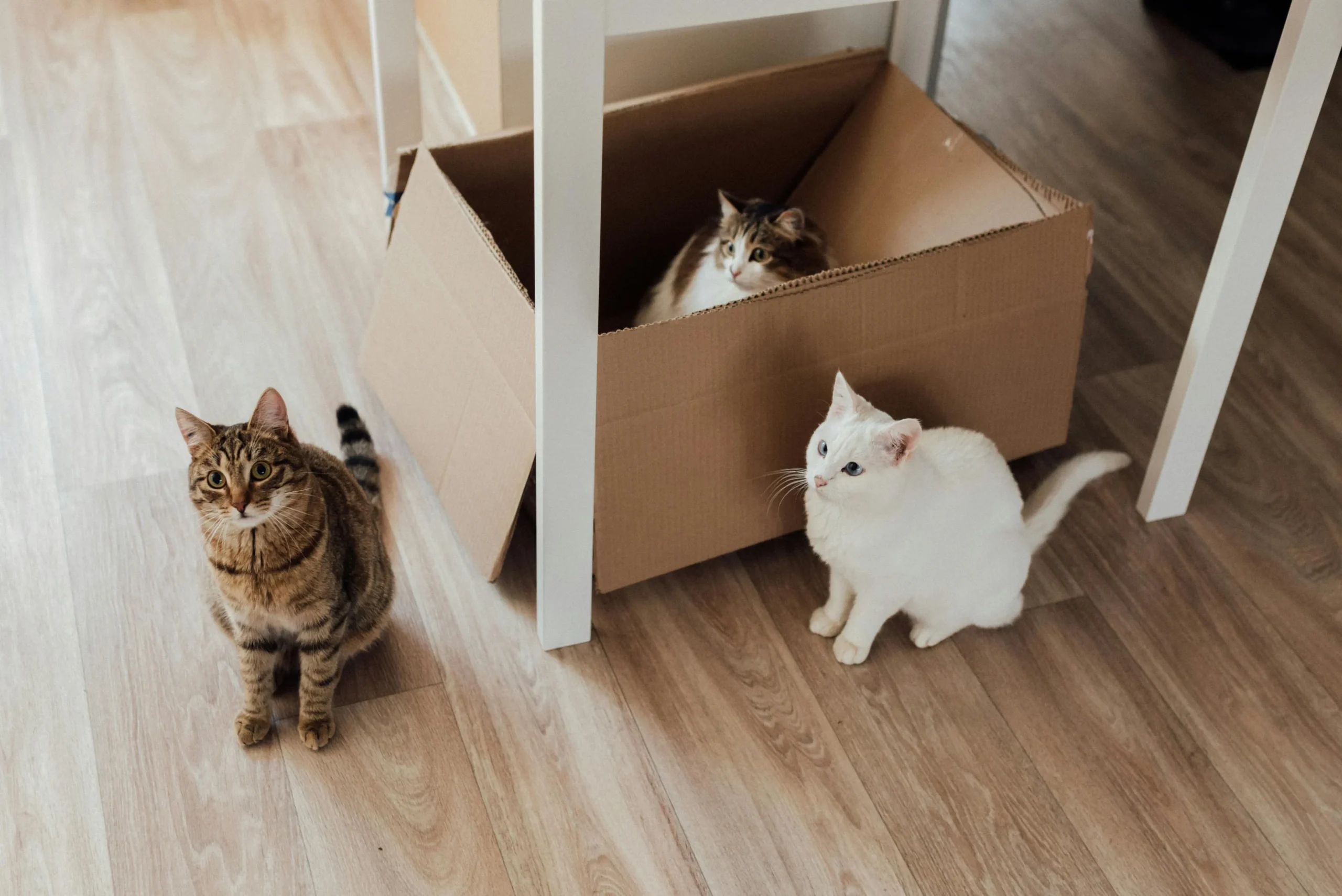
When Cats Avoid the Litter Box: Medical vs Behavioral Causes

When to Consider Laser Therapy for Arthritic Dogs
Rabbit Care Tips: Health, Housing, and Daily Needs
Understanding Aggression in Birds and How Vets Can Help
Seasonal Weather Risks That Can Affect Your Pet’s Health