Header Logo

Understanding Aggression in Birds and How Vets Can Help

Does your feathered friend suddenly bite, lunge, or scream when you approach? Bird aggression can be stressful for both pet owners and birds. Aggressive behavior in birds is not always a sign of a “bad” pet—it often reflects fear, stress, health issues, or improper handling. Understanding the causes and learning strategies to manage aggression is key to fostering a safe, trusting relationship with your winged companion.
At Marriottsville Animal Hospital, your trusted Marriottsville veterinary clinic, we love our feathered patients. Through professional guidance and avian behavior care tips, we can help you identify the root causes of aggression and provide actionable solutions. Whether you own a parrot, cockatiel, or smaller bird, recognizing triggers and learning proper handling techniques supports both your safety and your bird’s well-being.
Common Causes of Bird Aggression
Birds may display aggressive behavior for a variety of reasons:
Fear and Anxiety
Many birds react defensively if they feel threatened or cornered. Loud noises, sudden movements, or unfamiliar people can trigger fear-based aggression. Birds rely on instinctive behaviors for survival, and defensive actions like biting are natural responses.
Territorial Behavior
Some birds are highly territorial over cages, perches, or food. Territorial aggression may include lunging, vocalizing, or biting when someone enters their perceived space.
Hormonal or Breeding Behavior
Certain species, especially during breeding season, exhibit increased aggression due to hormonal changes. Female birds may become protective of eggs or nesting areas, while males may defend territory or mates.
Health Issues
Pain or illness can lead to irritability and aggression. Injuries, infections, or discomfort may make your bird less tolerant of handling or interaction.
Lack of Socialization
Birds need consistent, gentle exposure to humans to develop trust and reduce fear-based aggression. Birds that were not properly socialized may struggle with human interaction.
Signs of Aggression in Birds
Recognizing aggressive bird behavior early helps prevent injuries and stress. Here are some things to look for:
- Biting or snapping at hands or objects
- Lunging or flapping wings aggressively
- Screaming or squawking in anger or fear
- Puffing feathers or lunging forward as a warning
- Avoiding interaction or retreating to the back of the cage
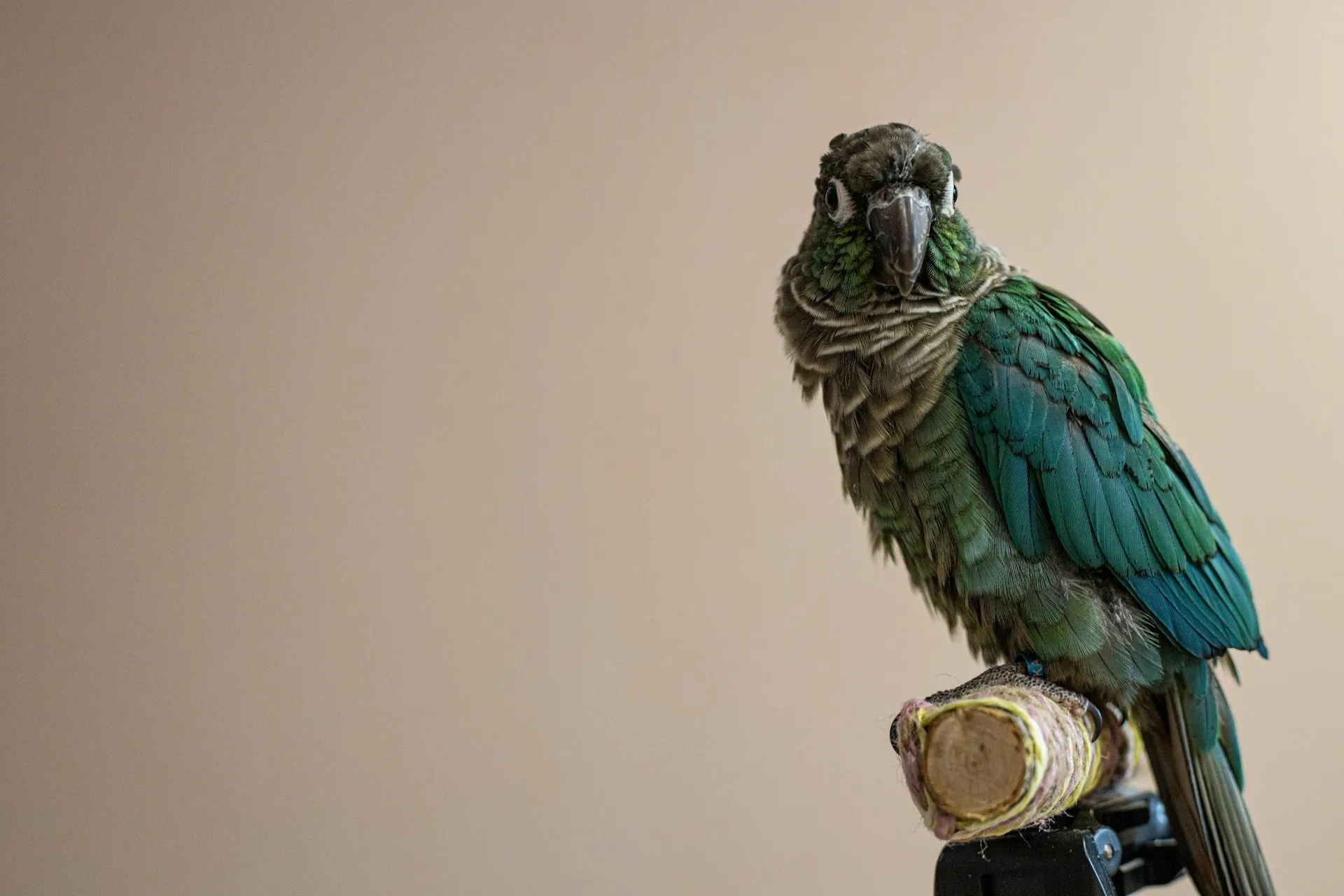
Understanding Polly’s body language, including eye movements, feather position, and posture, can provide valuable clues about your bird’s mood.
How Vets Can Help with Bird Aggression
Veterinarians play a crucial role in managing bird aggression:
- Behavioral assessment: Evaluate triggers, patterns, and context for aggression.
- Health evaluation: Rule out pain, infection, or underlying disease that may cause irritability.
- Behavior modification guidance: Recommend safe, gradual desensitization and positive reinforcement techniques.
- Environmental adjustments: Suggest cage placement, perches, and enrichment to reduce stress.
- Training support: Provide guidance on safe handling and interaction routines.
Working with a veterinarian ensures a structured, safe approach tailored to your bird’s species, temperament, and health needs.
Safe Handling Tips to Reduce Aggression
- Approach slowly and calmly, speaking softly
- Avoid sudden movements or loud noises near the cage
- Let the bird step onto a hand or perch voluntarily
- Provide plenty of toys and enrichment to redirect energy
- Reward calm, non-aggressive behavior with treats or praise
Patience and consistency are key when modifying aggressive behavior. Never punish a bird, as this often worsens fear and aggression.
Environmental Enrichment to Reduce Stress
A stimulating environment helps prevent aggression by reducing boredom and frustration. Offer chewable toys, swings, ladders, and foraging opportunities, and rotate toys and perches to maintain interest. It’s also important to ensure that your pet is getting sufficient social interaction, including plenty of free time. Maintain a consistent schedule for feeding, handling, and sleep
Great avian enrichment options, such as toys and playtime, can significantly decrease territorial or fear-based aggression.
Hormonal and Seasonal Considerations
Aggression can increase during breeding season or when hormones fluctuate:
- Minimize handling during peak breeding times if possible
- Avoid placing hands near nesting areas or eggs
- Provide distractions and enrichment to reduce tension
Understanding your bird’s natural cycles can help you anticipate and manage aggressive periods safely. Ask your vet for more information.
The Royal Society For The Prevention Of Cruelty to Animals has some helpful information on bird enrichment here. Read more about bird-proofing your home in this article by Pet Assure.
FAQ About Bird Aggression
Is aggression normal for birds?
Yes and no. Birds may become aggressive due to fear, territorial instincts, hormonal changes, or health issues. Recognizing triggers is key. However, happy, well-adjusted pet birds should not act aggressive.
Can aggressive behavior be corrected?
In many cases, yes. With proper guidance, consistent handling, and enrichment, many birds show significant improvement in behavior over time.
When should I consult a veterinarian?
If your bird bites frequently, shows sudden aggression, or displays signs of illness, a veterinary consultation is recommended.
Are certain species more prone to aggression?
Parrots, cockatoos, and macaws are often more territorial and may display stronger aggressive behaviors. Individual personality and socialization history also play roles.
How do I safely interact with an aggressive bird?
Use slow movements, positive reinforcement, and allow voluntary interactions. Avoid punishment, which can increase fear or aggression.
Visit Our Marriottsville Veterinary Clinic for Bird Behavior Support
Managing bird aggression requires patience, knowledge, and professional support. At Marriottsville Animal Hospital, our Marriottsville veterinarians provide avian behavior tips, health assessments, and practical guidance to improve safety and trust with your feathered pal.
Are you searching for a “vet near me” in Marriottsville, MD? Schedule a consultation with us today and take the first step toward helping your winged pal become a calmer, happier bird.
This blog is meant to be informational only. Always consult with your veterinarian for the right medical advice, diagnosis, or treatment plan for your bird and follow their guidance.
To find out more about our animal hospital and the services we offer, drop by our main Services page here. You may also want to find out about our Critical Care options here, or our Exotic pet care here.

Shedding Season: Grooming Tips And Cleaning Hacks

Mental Stimulation For Pets: Keeping Your Furry Pal Entertained

Your First Vet Visit After Adoption: What to Expect
Ferret Care 101: Health, Diet, and Daily Needs

When Cats Avoid the Litter Box: Medical vs Behavioral Causes
When to Consider Laser Therapy for Arthritic Dogs
Rabbit Care Tips: Health, Housing, and Daily Needs
Understanding Aggression in Birds and How Vets Can Help
Seasonal Weather Risks That Can Affect Your Pet’s Health