Header Logo

Choosing Your Child’s First Pocket Pet: What Parents Should Know

Are you thinking about bringing a furry friend into your home for your child? At Marriottsville Animal Hospital, your trusted Marriottsville veterinary clinic, we often help families choose their child’s first pocket pet. Selecting the right animal involves more than picking the cutest option—it’s about matching your child’s abilities, schedule, and lifestyle with the needs of a small pet.
Pocket pets, including hamsters, guinea pigs, mice, and rabbits, offer children companionship and opportunities to learn responsibility. Understanding the unique care requirements for each species and preparing your child for daily responsibilities is essential. Our Marriottsville veterinarians provide guidance on child pet selection, helping families make informed decisions and ensuring the well-being of the pet.
Why Choosing the Right Pocket Pet Matters
Choosing the wrong pocket pet can result in stress for both the child and the pet. Different species have different lifespans, social needs, and care requirements. By learning about each option in advance, you can help your child have a positive, rewarding experience. Selecting a suitable beginner pocket pet promotes responsible pet ownership while teaching empathy, compassion, and daily care routines.
Factors to Consider for Your Child’s First Pocket Pet
Age and Maturity of Your Child
Younger children may require a more robust or low-maintenance pet, while older children can handle animals that require more attention. Small rodents like hamsters or mice are often ideal for younger children, while guinea pigs or rabbits may be better suited for older kids who can handle more complex care routines.
Time Commitment
Every pet requires daily care, including feeding, cleaning, social interaction, and exercise. Families should assess how much time your child can realistically dedicate to their pet. Guinea pigs and rabbits need more time and attention, while smaller rodents may require less frequent care.
Space and Housing Needs
Different pocket pets have unique space requirements. Rabbits need larger cages and safe areas to roam, while hamsters require smaller cages with tunnels and hiding spots. Considering your home layout and the pet’s needs is essential to providing a safe and stimulating environment.
Temperament and Social Needs
Some pocket pets enjoy interaction and socialization, while others prefer solitude. For example, guinea pigs are social animals and thrive with companions, whereas hamsters are often solitary. Selecting a pet whose temperament matches your child’s interaction style promotes a positive bond.
Lifespan and Long-Term Commitment
Pocket pets vary in lifespan, from 2–3 years for hamsters to 5–10 years for guinea pigs and rabbits. Understanding the commitment required helps families prepare for the pet’s long-term care needs.
Tips for Teaching Children Responsible Pet Care
Providing guidance and supervision is key to fostering responsible pet ownership:
- Teach proper handling techniques to prevent injury to the pet.
- Encourage consistent feeding schedules and cleaning routines.
- Introduce enrichment activities like tunnels, toys, or safe chew items.
- Discuss the importance of veterinary care and checkups.
At Marriottsville Animal Hospital, we can demonstrate safe handling and provide a care plan that fits your child’s first pocket pet.
Common Beginner Pocket Pets
Here are a few popular options for first-time young pet owners:
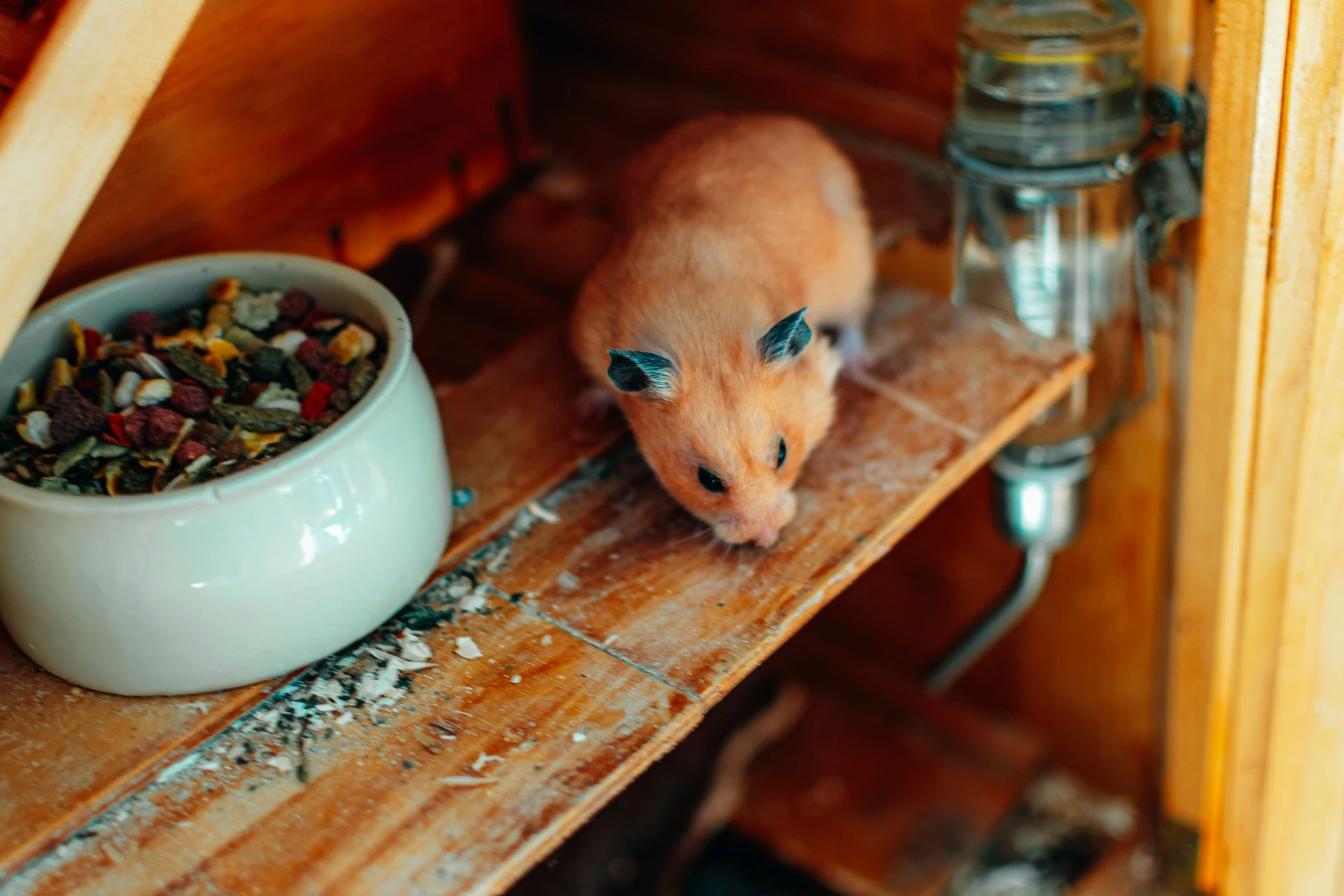
- Hamsters: Low-maintenance, small, and generally easy to care for.
- Mice: Social and intelligent, requiring daily interaction.
- Guinea Pigs: Friendly and social; ideal for children who can commit time to care.
- Rabbits: Require more space and daily interaction, excellent for older kids ready for responsibility.
Each species offers unique learning opportunities and experiences for your child.
Signs Your Child and Pet Are a Good Match
A successful first pet experience includes:
- Enthusiasm and gentle handling from your child.
- Regular interaction and care without reminders.
- Positive response from the pet, including comfort with handling and engagement.
- Recognition by your child of the pet’s needs and behaviors.
Regular veterinary visits at Marriottsville Animal Hospital help monitor your pet’s health and teach your child the importance of preventive care.
The American Animal Hospital Association has an article about whether a pocket pet is the right pet for you. Click here to read it. Rabbit.org has a good article on pocket pet chew toys here. While the site is geared at rabbits, many of these will work for tinier pets, too.
FAQ About Choosing a First Pocket Pet
Which pocket pet is easiest for a first-time child owner?
Hamsters and mice are often the easiest for younger children due to their smaller size and lower maintenance requirements.
How much supervision is needed?
Younger children should always have adult supervision for feeding, cleaning, and handling to ensure the pet’s safety and prevent stress or injury.
Do all pocket pets require a companion?
Not all. Guinea pigs thrive with companions, while hamsters and mice are often better kept alone depending on species. Your veterinarian can provide guidance.
How often should a pocket pet visit the vet?
Even small pets benefit from annual wellness exams to monitor health, diet, and growth.
Can children be trusted to care for a pet alone?
Children benefit from supervised practice. Partnering with an adult ensures the pet receives proper nutrition, clean housing, and timely medical care.
Visit Our Marriottsville Veterinary Clinic for Pocket Pet Care
Choosing the right first pocket pet sets the stage for a lifelong love of animals and responsible pet ownership. At Marriottsville Animal Hospital, our Marriottsville veterinarians provide guidance on species selection, care routines, and health monitoring for young pet owners. Are you searching for a “vet near me” in Marriottsville? Schedule a consultation today and help your child start a rewarding pet journey.
This blog is meant to be informational only. Always consult with your veterinarian for the right medical advice, diagnosis, or treatment plan for your pocket pet and follow their guidance.
To find out more about our animal hospital and the services we offer, drop by our main Services page here. You may also want to find out about our Critical Care options here, or our Exotic pet care here.

Shedding Season: Grooming Tips And Cleaning Hacks

Mental Stimulation For Pets: Keeping Your Furry Pal Entertained

Your First Vet Visit After Adoption: What to Expect
Ferret Care 101: Health, Diet, and Daily Needs

When Cats Avoid the Litter Box: Medical vs Behavioral Causes

When to Consider Laser Therapy for Arthritic Dogs
Rabbit Care Tips: Health, Housing, and Daily Needs
Understanding Aggression in Birds and How Vets Can Help
Seasonal Weather Risks That Can Affect Your Pet’s Health