Header Logo

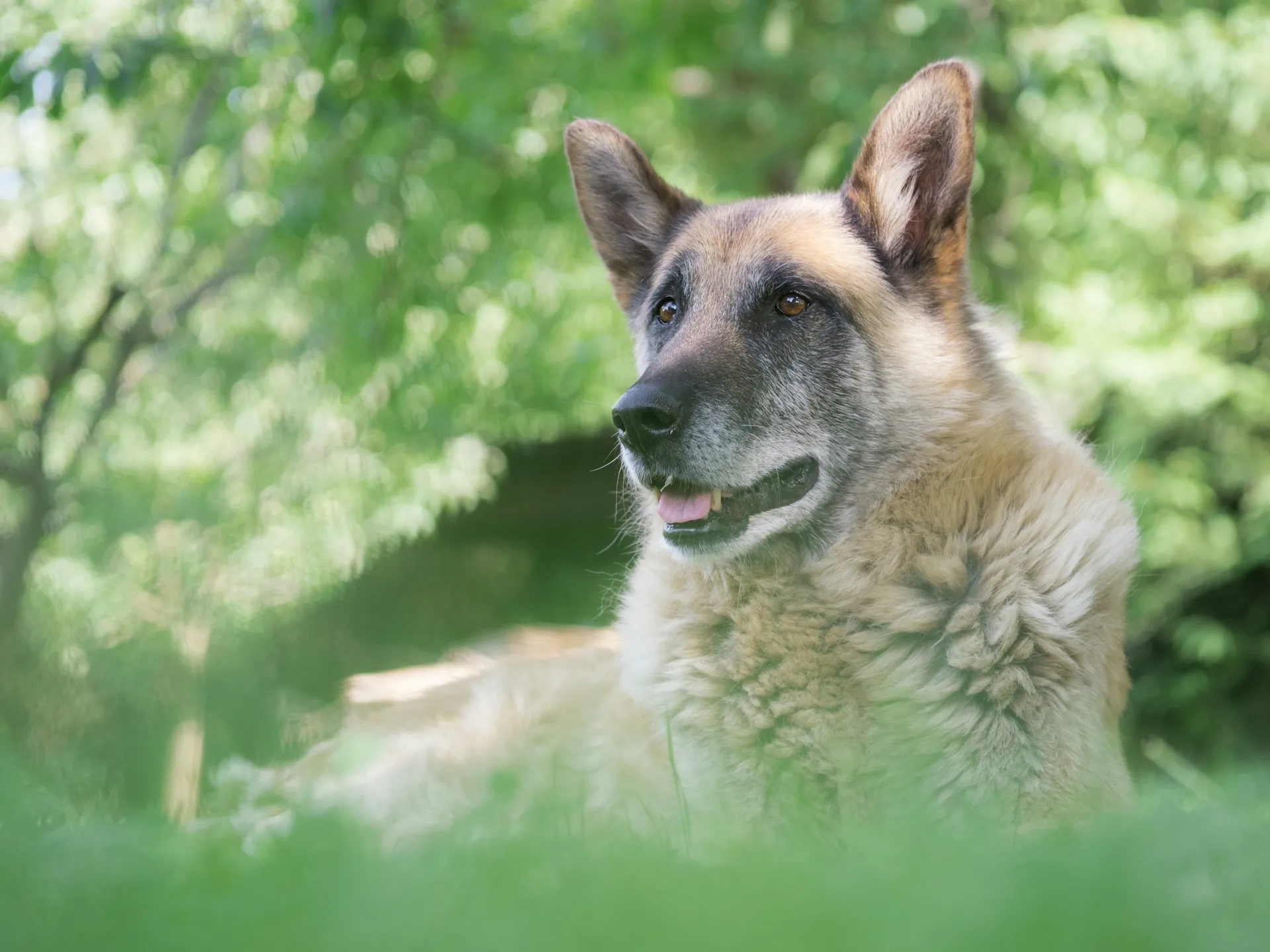
When to Consider Laser Therapy for Arthritic Dogs

Is your canine companion showing stiffness, reluctance to walk, or difficulty climbing stairs? At Marriottsville Animal Hospital, your trusted Marriottsville veterinary clinic, we often see dogs that are struggling with arthritis, a common condition that affects mobility and quality of life. Laser therapy for dogs is a non-invasive, safe option that can reduce pain, improve joint function, and enhance overall well-being. Understanding when and how to use laser therapy is key to supporting your furry friend’s comfort.
Our Marriottsville veterinarians specialize in dog arthritis treatment and provide personalized guidance on canine pain relief through both traditional and innovative approaches. By incorporating non-surgical dog therapy like laser treatments, you can help your pup move more freely and enjoy a more active lifestyle.
Understanding Arthritis in Dogs
Arthritis is a degenerative joint disease. It commonly affects older dogs but can occur in younger pets due to injury, genetics, or other factors. Signs of arthritis include:
- Stiffness, especially after resting
- Difficulty standing, climbing stairs, or jumping
- Limping or favoring one leg
- Reduced activity or reluctance to play
- Behavioral changes such as irritability or increased vocalization
Early recognition of these symptoms allows for timely intervention and better long-term management.
How Laser Therapy Works
Laser therapy uses specific wavelengths of light to penetrate tissues and promote healing:
- Reduces inflammation and swelling in affected joints
- Stimulates cellular repair and circulation
- Relieves pain by blocking nerve signals in the treated area
- Accelerates recovery from injuries or post-surgical procedures
This non-surgical dog therapy is painless and can be used alone or alongside medications, supplements, or physical therapy programs.
When to Consider Laser Therapy for Dogs
Veterinarians often recommend laser therapy in the following situations:
- Chronic arthritis or osteoarthritis causing stiffness or pain
- Post-surgical recovery to reduce inflammation and promote healing
- Soft tissue injuries like sprains, strains, or muscle soreness
- Dogs with limited mobility due to age or injury
- As part of a comprehensive pain management plan
Laser therapy sessions are typically short, ranging from a few minutes to half an hour, depending on the size of the dog and area being treated.
Benefits of Laser Therapy for Dogs with Arthritis
Using laser therapy offers multiple advantages for dogs with joint issues. That’s one reason we are so thrilled to offer it!
- Reduces reliance on pain medications, lowering side effects
- Improves joint flexibility and overall mobility
- Supports weight management by enabling more activity
- Enhances quality of life and daily comfort
- Provides a non-invasive, low-stress treatment option
Laser therapy is also painless, and does not require medication or aftercare. Treatments can be repeated as needed.
Combining laser therapy with exercise, physical therapy, and nutritional support provides the best results for arthritic dogs.
Preparing Your Dog for Laser Therapy
Most dogs tolerate laser therapy well, but proper preparation ensures a positive experience:
- Bring your dog to the veterinary clinic at the scheduled time
- Allow them to relax and acclimate to the treatment room
- Follow any pre-session instructions from your veterinarian regarding medications or activity
- Monitor your dog after treatment for any unusual reactions, though these are rare
Regular sessions may be recommended depending on severity, typically scheduled weekly or bi-weekly at first, then adjusted for maintenance.
Complementary Strategies for Arthritis Management
Laser therapy is most effective when combined with other interventions:
- Joint supplements such as glucosamine or omega-3 fatty acids
- Weight management to reduce stress on joints
- Low-impact exercise like swimming, leash walks, or gentle play
- Comfortable bedding and ramps to ease movement around the home
Consult your veterinarian to develop a personalized arthritis management plan for your dog.
Signs Laser Therapy is Working
Owners often notice improvements within a few sessions:
- Increased willingness to walk, climb stairs, or play
- Reduced stiffness and limping
- Less reliance on pain medications
- Improved mood and overall activity levels
Consistent monitoring and communication with your veterinarian help adjust treatment plans for optimal outcomes.
You can read more about arthritis in pets at the AKC website here. You can read more about arthritis and how it affects our furry friends at the PetMD site here.
FAQ About Laser Therapy for Dogs
Is laser therapy safe for all dogs?
Yes, laser therapy is generally safe for dogs of all breeds and ages, though your veterinarian will evaluate your dog’s specific condition.
How long do results last?
Some dogs show immediate relief, while others improve gradually. Maintenance sessions may be recommended for long-term arthritis management.
Can laser therapy replace medications?
Laser therapy is often used alongside medications and supplements, but it may reduce the need for long-term pain medications under veterinary supervision.
Does the procedure hurt?
No. Laser therapy is painless and non-invasive. Most dogs tolerate the treatment well and remain calm throughout the session.
How often should a dog receive laser therapy?
Frequency depends on the dog’s condition and response to treatment. Initial sessions are often weekly, followed by periodic maintenance treatments.
Visit Our Marriottsville Veterinary Clinic for Laser Therapy
If your dog is showing signs of arthritis or stiffness, laser therapy for dogs can help reduce pain and improve mobility. At Marriottsville Animal Hospital, our Marriottsville veterinarians provide dog arthritis treatment, canine pain relief, and non-surgical dog therapy tailored to your furry friend’s needs. Are you searching for a “vet near me” in Marriottsville, MD? Schedule a consultation today and help your pup enjoy an active, comfortable life.
This blog is meant to be informational only. Always consult with your veterinarian for the right medical advice, diagnosis, or treatment plan for your dog and follow their guidance.
To find out more about our animal hospital and the services we offer, drop by our main Services page here. You may also want to find out about our Critical Care options here, or our Exotic pet care here.

Shedding Season: Grooming Tips And Cleaning Hacks

Mental Stimulation For Pets: Keeping Your Furry Pal Entertained

Your First Vet Visit After Adoption: What to Expect

Ferret Care 101: Health, Diet, and Daily Needs

When Cats Avoid the Litter Box: Medical vs Behavioral Causes
When to Consider Laser Therapy for Arthritic Dogs

Rabbit Care Tips: Health, Housing, and Daily Needs
Understanding Aggression in Birds and How Vets Can Help

Seasonal Weather Risks That Can Affect Your Pet’s Health