Header Logo

Shedding Season: Grooming Tips And Cleaning Hacks

Does your furry friend leave a trail of fur wherever they go? Seasonal shedding is normal, but it can be overwhelming if left unmanaged. With proper grooming techniques, diet adjustments, and cleaning strategies, you can minimize hair around the house while supporting your pet’s coat health. At Marriottsville Animal Hospital, your trusted Marriottsville, MD veterinary clinic, we are quite used to our patients sharing their pretty fur with us. We’re also happy to offer owners pet shedding tips that can help keep pets healthy while maintaining a clean home.
Our Marriottsville, MD veterinarians are happy to provide guidance on managing pet hair, grooming hacks for pets, and seasonal shedding care to help you stay ahead of the shedding season. By combining regular care with practical home strategies, your four-legged friend can look and feel their best year-round.
Understanding Shedding
Shedding is a natural process where pets lose old or damaged hair as their skin and bodies make room for new growth. Shedding can increase seasonally, particularly in spring and fall, when dogs and cats adjust their coats to changing temperatures.
Excessive shedding may indicate health issues such as poor nutrition, skin infections, allergies, or stress. Regular grooming and observation are key to distinguishing normal seasonal shedding from problems that need veterinary attention.
Grooming Tips for Dogs
Proper grooming reduces loose hair and maintains healthy skin and coat:
- Brushing regularly: Use a brush suitable for your dog’s coat type to remove loose hair, stimulate skin oils, and prevent matting.
- Bathing appropriately: Frequent baths with mild, pet-safe shampoos help remove dead hair. Avoid over-bathing, which can dry the skin.
- Professional grooming: Periodic visits to a groomer or veterinary clinic can provide deeper hair removal, nail trimming, and coat assessment.
- Diet and hydration: High-quality food and adequate water support coat health and reduce shedding caused by poor nutrition.
Regular brushing and grooming sessions provide the added benefit of monitoring your dog’s skin for lumps, irritations, or signs of parasites.
Grooming Tips for Cats
Cats are meticulous groomers, but shedding still requires attention:
- Daily or frequent brushing: Long-haired cats benefit from daily brushing, while short-haired cats may need brushing a few times per week.
- Grooming tools: Use tools designed for shedding, such as deshedding brushes or grooming gloves.
- Bathing when needed: Most cats do not require frequent baths, but gentle washing can help during heavy shedding periods.
- Diet support: Nutrient-rich diets with omega fatty acids promote a shiny coat and reduce excessive hair loss.
Regular grooming sessions also reduce hairballs by removing loose hair before it is ingested.
Grooming Hacks for Pocket Pets and Birds
Small pets and birds require different approaches:
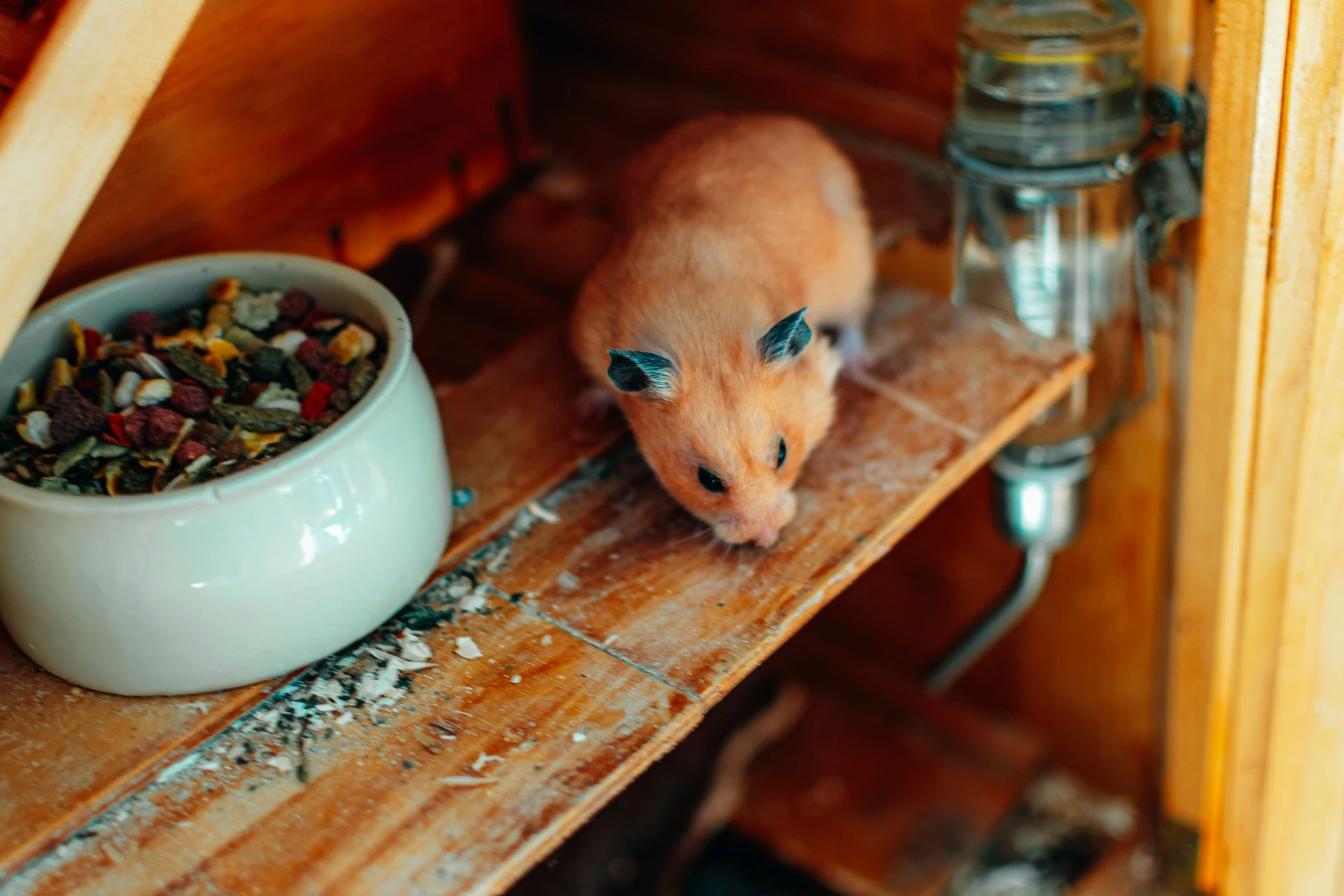
- Pocket pets: Rabbits, Guinea pigs, and hamsters may not need much, but do benefit from gentle brushing, nail trims, and careful monitoring of coat condition to prevent mats and debris accumulation.
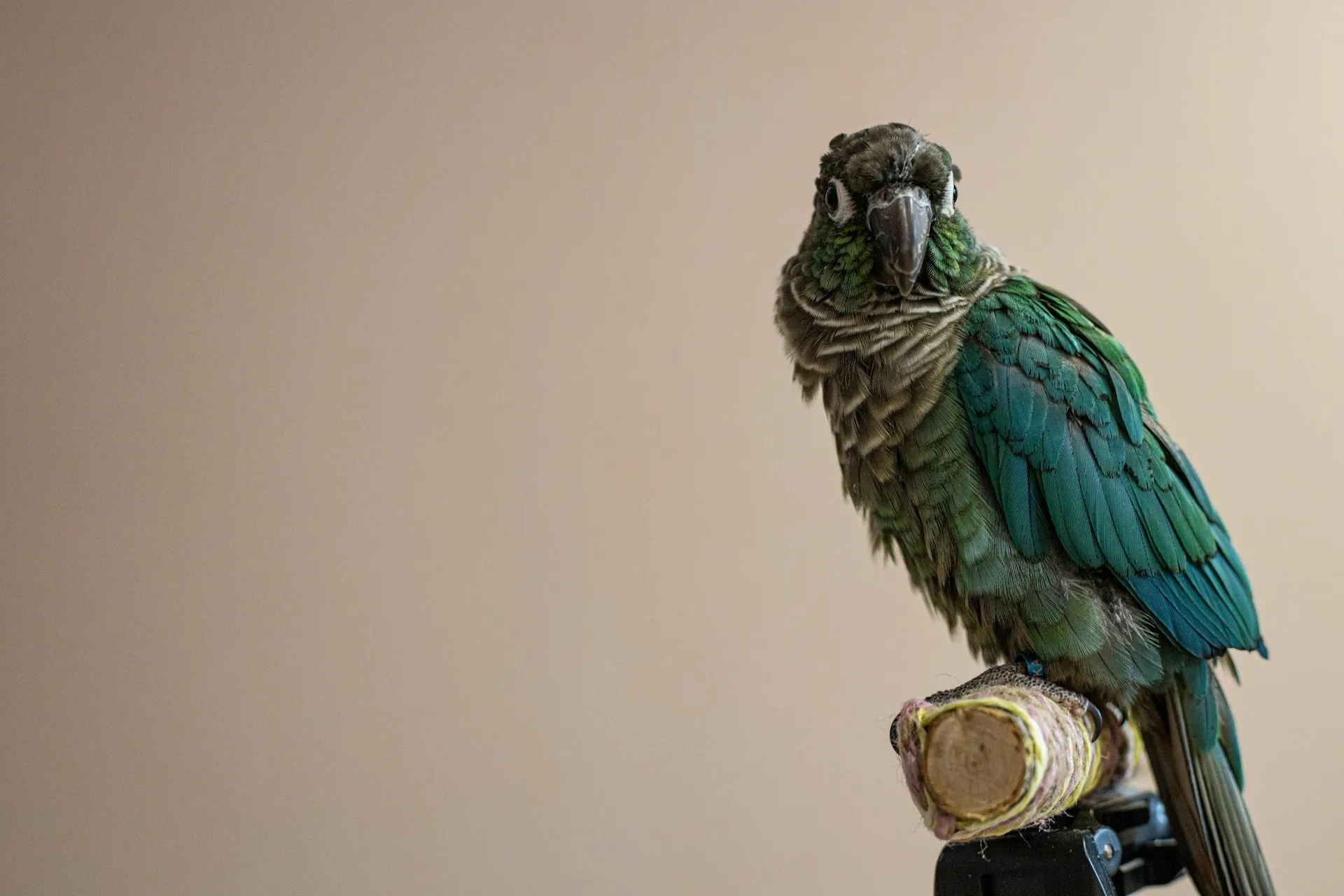
- Birds: Birds naturally molt, but regular cage cleaning and observation of feather condition supports their overall health. Avoid overhandling during molting to reduce stress.
Doing some research into whatever type of pet you have is key. Providing appropriate care for all types of pets is ultimately the best way to manage shedding and supports overall wellness.
Cleaning Hacks for Shedding Season
Managing pet hair at home is easier with consistent strategies:
- Vacuuming and sweeping: Vacuum daily to prevent accumulation.
- Furniture protection: Cover chairs, couches, and beds with washable covers to reduce cleaning.
- Lint rollers and pet hair removers: Keep these handy for clothing, upholstery, and car seats. You can also use a damp sponge, dish gloves, or a squeegee.
- Air circulation: Regularly changing HVAC filters and using air purifiers reduces airborne hair and dander.
- Frequent grooming: Combining grooming and cleaning reduces the overall amount of hair in your home. You want to grab that fur with a brush before it ends up on your sofa!
Implementing a routine combining grooming and home cleaning prevents shedding from becoming overwhelming.
Seasonal Shedding Care
Adjusting your grooming routine during seasonal transitions is key:
In spring, focus on removing the winter undercoat to prepare for warmer weather. In fall, groom more frequently as the coat thickens for winter insulation.
Observation is also important. Monitor your pet’s coat for bald spots, dry skin, or irritation, which may indicate an underlying issue. Veterinary checkups are a must as well. Seasonal visits help detect skin or coat problems early.
Consistent seasonal care ensures your pet remains comfortable and your home stays clean year-round.
WebMD wrote about dog shedding here. PetMD also wrote about problematic shedding in this piece.
FAQ About Managing Shedding
Is shedding normal in all pets?
Yes, seasonal shedding is normal for most animals, though frequency and intensity vary by breed and coat type.
Can diet affect shedding?
Absolutely. High-quality nutrition with essential fatty acids supports healthy skin and coat, reducing excessive shedding.
How often should I groom my pet?
The frequency depends on breed and coat type. Long-haired pets benefit from daily brushing, short-haired pets a few times per week.
Are professional grooming services necessary?
While not required, professional grooming provides deeper hair removal, coat evaluation, nail trimming, and skin assessment.
How do I manage hair in my home effectively?
Combine regular grooming with frequent vacuuming, lint removal, washable furniture covers, and air purification.
Schedule a Grooming Consultation at Our Marriottsville, MD Vet Clinic
Managing pet shedding tips with proper grooming, nutrition, and home care makes shedding season more manageable for you and your furry bestie. At Marriottsville Animal Hospital, our Marriottsville, MD veterinarians provide expert managing pet hair, grooming hacks for pets, and seasonal shedding care guidance. Are you looking for a “vet near me” in Marriottsville, MD? Schedule an appointment today and help your pet stay comfortable while keeping your home clean.
This blog is meant to be informational only. Always consult with your veterinarian for the right medical advice, diagnosis, or treatment plan for your pet and follow their guidance.
To find out more about our animal hospital and the services we offer, drop by our main Services page here. You may also want to find out about our Critical Care options here, or our Exotic pet care here.

Shedding Season: Grooming Tips And Cleaning Hacks

Mental Stimulation For Pets: Keeping Your Furry Pal Entertained

Your First Vet Visit After Adoption: What to Expect
Ferret Care 101: Health, Diet, and Daily Needs

When Cats Avoid the Litter Box: Medical vs Behavioral Causes
When to Consider Laser Therapy for Arthritic Dogs
Rabbit Care Tips: Health, Housing, and Daily Needs
Understanding Aggression in Birds and How Vets Can Help

Seasonal Weather Risks That Can Affect Your Pet’s Health